
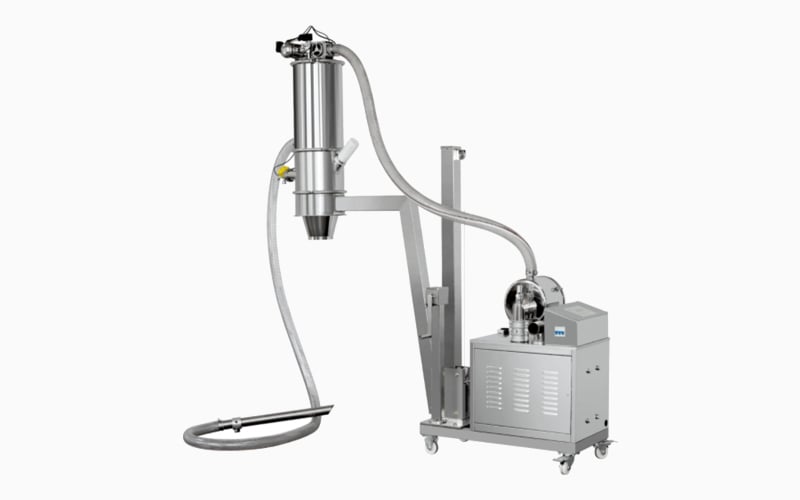
For industries juggling bulk materials, finding ways to move them quickly and cleanly is a constant priority. That’s where electric vacuum feeders step in, offering a sleek, modern solution for transferring powders, granules, and pellets with minimal fuss. If you’re looking to boost your production line’s efficiency or cut down on workplace mess, this technology could be the key. Let’s unpack what makes these feeders tick, why they’re a smart choice, and what’s next for this game-changing equipment.
Understanding Electric Vacuum Feeders
An electric vacuum feeder is a pneumatic conveying system that uses suction to transport dry materials through a network of tubes. Powered by an electric motor, it pulls materials from a source—like a silo or bag station—into a receiver, then releases them into the next stage of your process, such as a mixer or packing line. The setup is straightforward: a vacuum pump, some flexible hoses, and a collection unit, all working together to keep things moving.
What’s special here is the enclosed system. It eliminates the dust and spills you’d get with older methods like belt conveyors, making it a favorite for industries where cleanliness counts.
Why They’re Worth Your Attention
Here’s why electric vacuum feeders are turning heads in the B2B world:
Spotless Operation: The sealed design traps dust, keeping your workspace compliant with health and safety standards.
Time Efficiency: Automated transfer speeds up material handling, letting you hit production targets faster.
Material Protection: Gentle suction ensures delicate items—like spices or pharmaceutical powders—stay intact.
Low Upkeep: With fewer moving parts than mechanical systems, repairs and downtime are kept to a minimum.
Imagine a factory where workers no longer sweep up spilled grains after every shift. That’s the kind of practical upgrade these feeders deliver.
Where They Fit In
Electric vacuum feeders shine across a range of industries:
Food Processing: Moving flour or cocoa without clumping or contamination.
Chemicals: Safely transferring reactive powders to blending units.
Pharmaceuticals: Ensuring precise, sterile delivery of active ingredients.
Plastics: Feeding pellets into injection molding machines with zero waste.
A European chemical plant, for instance, reported a 20% boost in efficiency after integrating a vacuum feeder, cutting both labor and cleanup costs. It’s real-world proof of their value.
Choosing the Right System
Picking the perfect feeder takes a bit of planning. Here’s what to keep in mind:
Material Type: Powders need different suction settings than granules—know your specs.
Production Volume: Match the feeder’s capacity to your daily output to avoid bottlenecks.
Space and Setup: Check if your facility can handle the tubing layout or needs a compact model.
Regulatory Needs: For food or pharma, ensure the system meets standards like FDA or GMP.
A quick consultation with a supplier can clarify these points, ensuring you get a system tailored to your operation.
Trends Shaping the Future
The material handling industry is on the move, and vacuum feeders are keeping pace:
Smart Systems: New models integrate with IoT for real-time performance tracking and alerts.
Eco-Friendly Designs: Energy-efficient pumps are cutting power usage, aligning with sustainability goals.
Flexible Configurations: Modular setups make it easier to adapt to changing production needs.
As global demand for cleaner, faster operations grows, these innovations position vacuum feeders as a forward-thinking choice.
Getting Started
Electric vacuum feeders are more than just equipment—they’re a way to streamline your process, save costs, and stay compliant. Whether you’re upgrading an existing line or building a new one, this technology can make a difference. Ready to explore? Reach out to a trusted vendor to discuss options that fit your setup. In today’s fast-moving market, a small step like this can lead to big gains.
