Solving the Cross-Contamination Headache: How IBC Mixers Ensure Product Purity

In industries dealing with active pharmaceutical ingredients (APIs), allergens, or colored pigments, cross-contamination is the nightmare scenario. A trace amount of Product A ending up in Product B can lead to massive recalls, regulatory fines, and reputational damage.

Traditional mixing methods often involve open transfers—pouring powder from drums into a mixer. Every time the product is exposed to air, the risk increases.

The “Closed System” Advantage

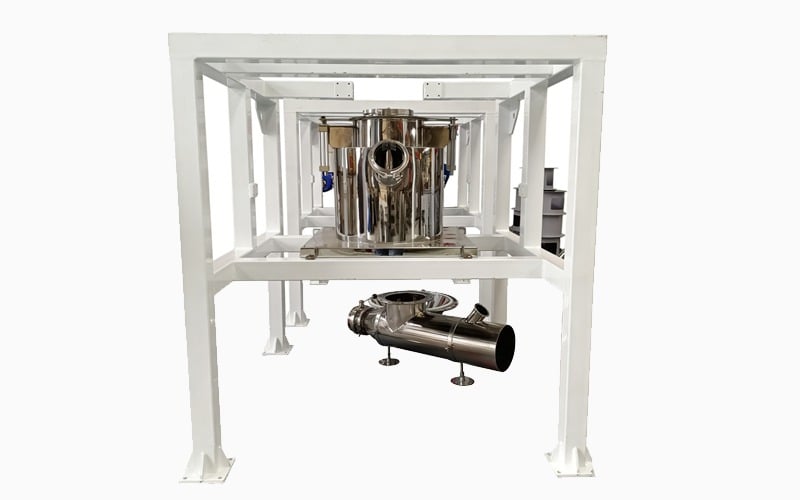
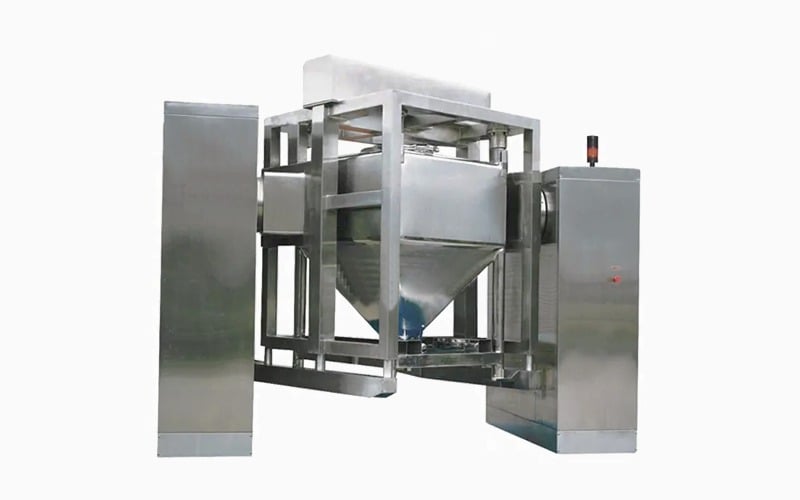
The IBC Bin Mixer is fundamentally designed to solve this problem. It operates as a closed system.

  1. Loading: Material is loaded into the IBC bin in a separate weighing room.
  2. Mixing: The closed bin is moved to the mixer. The bin is the mixing chamber. The product never leaves the container during the process.
  3. Discharge: The bin is moved to the packing or tableting station and discharged directly.

Because the blender itself has no contact parts with the product (only the bin does), there is zero risk of the machine contaminating the next batch.

Protecting Your Workforce

It’s not just about the product; it’s about your people. If you are mixing potent compounds or dusty chemicals, open transfer poses a health risk to operators.
Using an IBC mixer minimizes dust generation. Since the mixing happens inside a sealed vessel, the air in your facility remains clean, reducing the load on your HVAC/filtration systems and PPE requirements.

Simplified Cleaning Validation

Cleaning a fixed 2000L tank is labor-intensive and difficult to validate. Cleaning a mobile IBC bin is much easier. Bins can be taken to a dedicated washing station (or an automated bin washer). This ensures that “dirty” activities are physically separated from the “clean” processing area.

Conclusion
If your facility struggles with dust control or strict validation requirements, moving to an IBC mixing technology is the most effective way to ensure product purity and operational safety.

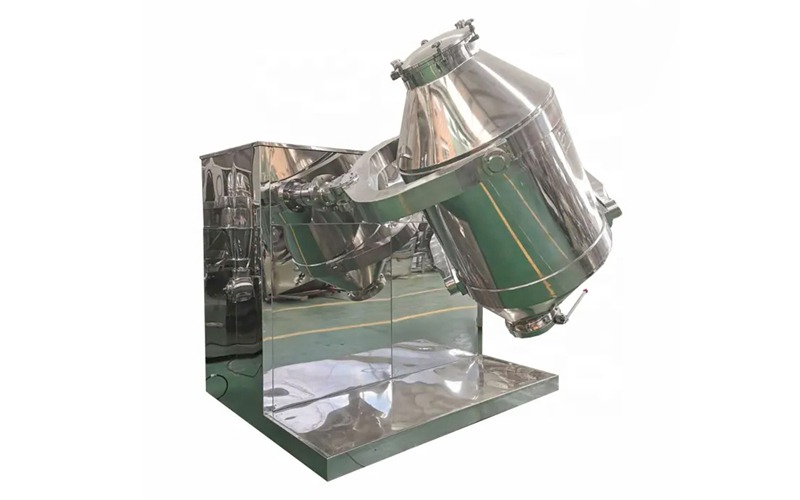
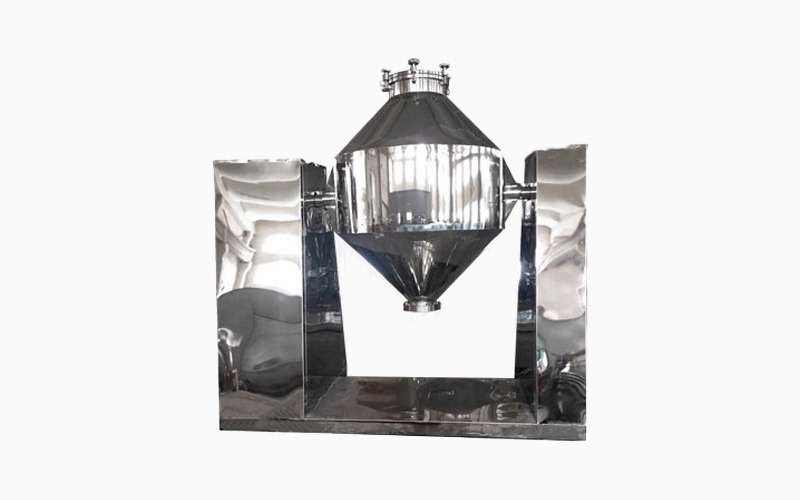
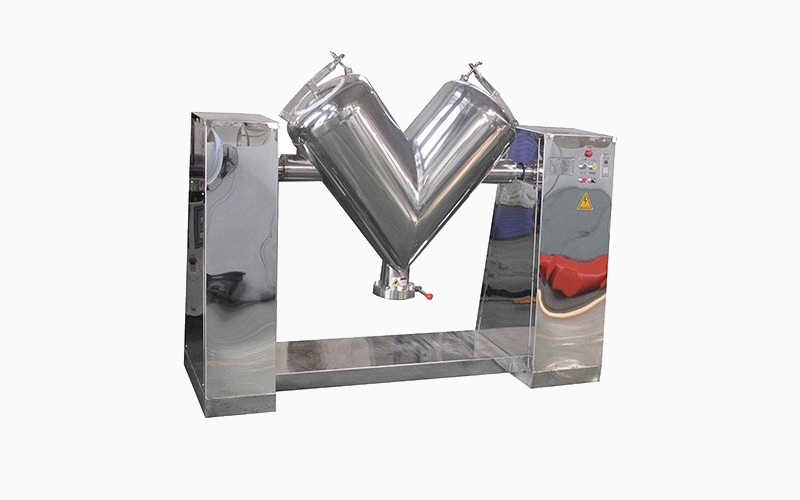
V Shape Mixers: Versatile Solutions for Powder and Granule Blending

Need a mixer that handles different materials without fuss? V shape mixers are built for versatility, blending powders and granules with ease. They’re a solid choice for B2B in chemicals or food processing. Let’s see how they perform and what’s new in the field.

How They Deliver

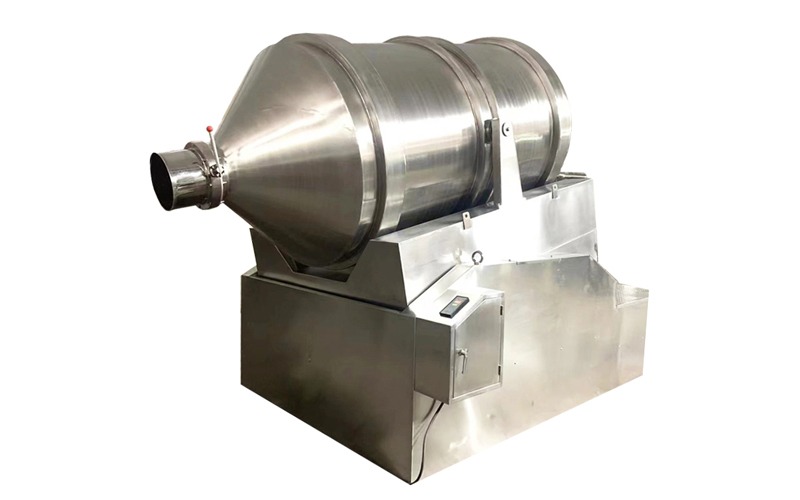
A V shape mixer tumbles contents in a V vessel, creating a natural mixing action. The rotation folds materials repeatedly for homogeneity. Load, mix, discharge—straightforward.

This method works well for free-flowing or slightly cohesive powders.

Key Strengths

Strengths include:

  • Broad Compatibility: Mixes fine powders to granules.

  • Fast Cycles: Short blending times boost throughput.

  • Uniform Output: Reliable results batch after batch.

  • Compact: Saves floor space.

  • Low Operating Cost: Energy-efficient and durable.

A chemical firm blending additives could achieve better dispersion, improving end-product performance.

Industry Applications

Applications cover:

  • Chemicals: Additive mixing.

  • Food: Dry mix preparation.

  • Pharma: Excipient blending.

  • Agriculture: Fertilizer compounding.

In agriculture, they create balanced nutrient mixes.

Buying Advice

Consider loading method, safety features, and control options.

Emerging Trends

Powder and granule blending is seeing smart controls and sustainable materials for greener operations.

V shape mixers provide versatile blending solutions. Contact manufacturers for tailored models.

Auto Powder Loading and Mixing Systems: Innovations in Material Handling

Material handling innovations are key to modern manufacturing. Auto powder loading and mixing systems innovate this by automating feed and blend, for B2B in chemicals or food. This overview highlights its design, perks, and trends.

Design Overview

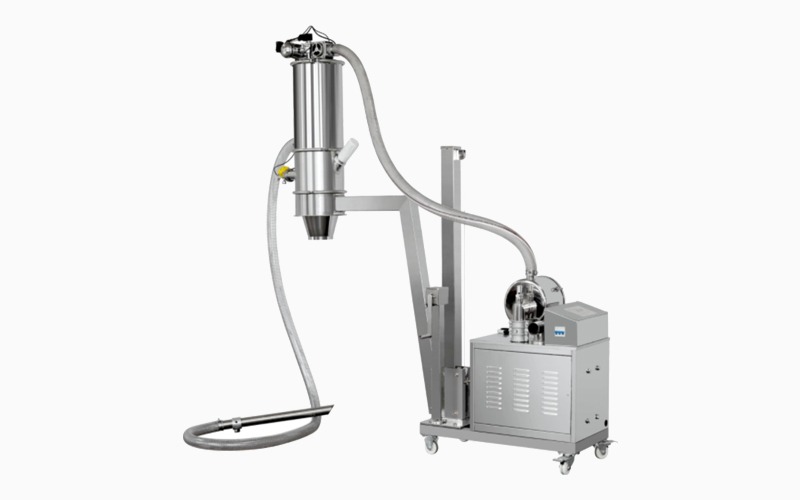
An auto powder loading and mixing system has loaders feeding into a mixer with agitators. Automation controls flow, with sensors for accuracy.

This innovation provides seamless, dust-free handling for various powders.

Perks Highlighted

Perks feature:

  • Innovation in Flow: Auto loading for continuous operation.

  • Mix Uniformity: Advanced agitators for even results.

  • Safety Enhancement: Reduced manual exposure.

  • Adaptable Setup: Custom for specific needs.

  • Economic Impact: Efficiency lowers costs.

In food, it blends seasonings uniformly, improving taste.

Usage Highlights

Usage in:

  • Food: Spice mixing.

  • Chemicals: Additive blending.

  • Pharma: Powder preparation.

  • Cosmetics: Ingredient combining.

In pharma, it ensures dose accuracy.

Picking Insights

Focus on automation level, material compatibility, and scale. Select for your process.

Trend Highlights

Material handling innovations include IoT for tracking and sustainable options for eco goals.

Auto powder loading and mixing systems innovate handling, driving progress. Seek suppliers for custom solutions.

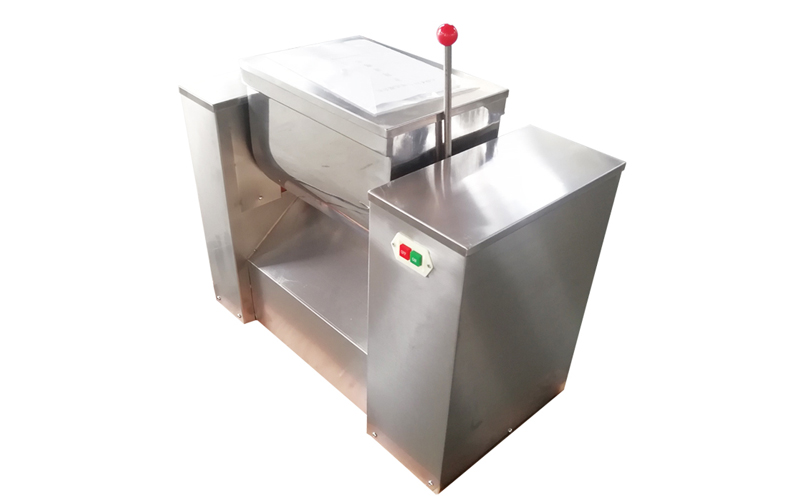
Ribbon Mixers: Innovations in Helical Blending Technology

Helical blending technology is advancing to meet diverse needs. Ribbon mixers innovate this with efficient designs for uniform mixes. For B2B in pharma or food, this equipment can enhance precision. We’ll cover its function, benefits, and trends.

Function Overview

A ribbon mixer uses helical ribbons in a trough for blending. Rotation creates multi-directional flow, mixing materials thoroughly. It’s batch-based, with easy load/unload.

This innovation provides fast, even mixes for various viscosities.

Benefits Highlighted

Benefits feature:

  • Precision Mixing: No unmixed pockets for reliable results.

  • Scale Options: From pilot to production sizes.

  • Gentle Action: Low impact for fragile materials.

  • Clean Design: Quick disassembly for sanitation.

  • Savings Potential: Efficient energy use lowers costs.

In chemicals, it blends resins evenly, improving product performance.

Usage Highlights

Usage in:

  • Pharma: API blending.

  • Food: Dough preparation.

  • Agriculture: Fertilizer mixing.

  • Cosmetics: Cream compounding.

In agriculture, it ensures nutrient distribution.

Picking Insights

Focus on ribbon type, trough material, and controls. Select for your mix characteristics.

Trend Insights

Helical blending includes variable speed drives and sustainable materials, addressing eco demands.

Ribbon mixers innovate helical blending, driving quality. Discuss with suppliers for custom solutions.

Colloid Mills: Innovations in High-Shear Mixing and Grinding

High-shear mixing is essential for creating fine dispersions. Colloid mills innovate this with powerful grinding, supporting food, pharma, and more. This overview highlights their operation, perks, and trends, aiding B2B decisions.

Operation Highlights

A colloid mill has a rotor-stator gap where materials are sheared at high speeds. Input mixes as it passes, with recirculation for refinement. Variable gaps control shear intensity.

This innovation provides high-shear without excessive heat, ideal for emulsions.

Perks Highlighted

Perks feature:

  • Dispersion Excellence: Breaks particles for stable mixes.

  • Mixing Speed: Fast processing for high output.

  • Custom Control: Adjust for viscosity or fineness.

  • Durable Build: Resists wear for long use.

  • Waste Reduction: Efficient grinding cuts material loss.

In pharma, it mixes gels evenly, improving delivery.

Usage Highlights

Usage in:

  • Food: Grinding nuts for spreads.

  • Cosmetics: Emulsifying oils for lotions.

  • Chemicals: Dispersing dyes.

  • Pharma: Suspending drugs.

In chemicals, it ensures uniform inks.

Picking Insights

Focus on shear rate, capacity, and material. Select with cooling for heat-sensitive.

Innovation Trends

High-shear mixing includes inline monitoring and green energy, meeting eco needs.

Colloid mills innovate high-shear, driving quality. Seek suppliers for custom fits.

Multi-Function Cutting Machines: Trends in Food Preparation Technology

Food preparation technology is advancing to meet rising demands for speed and precision. Multi-function cutting machines lead this charge, combining multiple cutting styles in one device for B2B food businesses. If you’re tracking industry innovations, this tool’s role is worth noting. We’ll cover its features, benefits, and trends.

Features and Functionality

A multi-function cutting machine has interchangeable attachments for slicing, grating, or cubing. An electric motor powers the action, with safety guards and speed dials for control. Ingredients process through a chute, emerging cut to spec.

This tech focuses on user safety and ease, with dishwasher-safe parts for quick cleanups.

Benefits Highlighted

Benefits feature:

  • Multi-Tasking: One machine for diverse cuts, simplifying inventory.

  • Speed Enhancement: Cuts prep time, increasing output.

  • Uniform Results: Consistent sizes for better cooking and presentation.

  • User Safety: Built-in protections reduce accidents.

  • Longevity: Quality materials for enduring performance.

A food exporter using it for fruit dicing could ensure uniform products, meeting international standards.

Sector Roles

Roles include:

  • Food Service: Event prep.

  • Manufacturing: Ingredient processing.

  • Retail: Fresh produce cutting.

  • Export: Quality control for shipments.

In retail, it aids in-store prep for customer convenience.

Selection Advice

Evaluate size, power, and attachments. Choose based on volume and material types.

Tech Trends

Food prep cutters are seeing AI for auto-settings and eco-materials for sustainability, reflecting market needs.

Multi-function cutting machines drive food prep trends, providing innovation. Seek suppliers for tailored models.

Herbal Crushers: Innovations in Traditional Herb Processing

Traditional herb processing is evolving with technology. Herbal crushers bring precision to grinding, turning plants into powders for modern uses. For B2B buyers in health or pharma, this equipment can elevate your products. Let’s examine its design, perks, and trends.

Design and Operation

An herbal crusher features blades in a chamber for impact grinding. Herbs load in, get pulverized, and filter out. Controls adjust for texture, from coarse to fine.

This innovation safeguards herb volatiles, unlike high-heat methods.

Perks for Users

Perks encompass:

  • Essence Preservation: Low-impact grinding retains aromas and benefits.

  • Time Savings: Fast cycles for high-volume runs.

  • Multi-Use: From bark to leaves, it adapts.

  • Cleanliness: Dust-free for safe environments.

  • Savings: Less waste through accurate grinding.

A herb extract firm could produce potent tinctures with less raw input.

Usage Areas

They’re used in:

  • Health Supplements: Powdering mushrooms for capsules.

  • Culinary: Grinding for seasonings.

  • Aromatherapy: Preparing oils from herbs.

  • Botanicals: Fine powders for research.

In supplements, it boosts bioavailability.

Picking Tips

Focus on blade material, capacity, and ease of clean. Choose certified for quality.

Innovation Highlights

Herb processing tech includes digital fineness control and green energy options, meeting eco demands.

Herbal crushers innovate traditional processing, offering modern reliability. Discuss with suppliers for fits.

Ultra Fine Pulverizers: Insights into High-Precision Grinding

High-precision grinding is vital for industries requiring ultra-fine powders. Ultra fine pulverizers deliver this through innovative techniques, supporting pharmaceuticals, cosmetics, and more. This overview offers insights into their function, value, and trends, helping you assess their potential for your business.

Function Insights

An ultra fine pulverizer utilizes air jets or mechanical forces to reduce particles to microns. Jet types use compressed air for collision-based grinding, while mechanical ones employ rotors. Integrated classifiers ensure precise size control.

This method maintains material integrity, avoiding heat or contamination issues.

Value Proposition

Insights show:

  • Precision Achievement: Delivers sub-micron accuracy for superior products.

  • Sensitive Material Care: Prevents degradation of heat-labile substances.

  • Operational Speed: High rates for efficient production.

  • Space Economy: Compact for easy integration.

  • Purity Maintenance: Closed-loop designs reduce impurities.

In cosmetics, it creates silky powders for foundations, enhancing user experience.

Implementation Areas

They’re implemented in:

  • Chemicals: Grinding pigments for paints.

  • Food: Producing super-fine additives.

  • Pharma: Creating dispersible drug forms.

  • Advanced Materials: Preparing powders for 3D printing.

In advanced materials, it enables nano-scale precision for tech applications.

Selection Guidance

Focus on grinding method, capacity, and material compatibility. Prioritize user-friendly features.

Trend Highlights

High-precision grinding is seeing sensor integration for monitoring and low-energy models for sustainability.

Ultra fine pulverizers offer high-precision grinding insights, driving innovation. Explore with a specialist for tailored solutions.

Universal Pulverizer with Integrated Dust Collector: Safety and Efficiency Combined

Combining grinding power with dust management, the universal pulverizer assembly with dust collector is a must for industries prioritizing cleanliness. It’s suited for pharmaceuticals, food, and chemicals, reducing hazards while delivering fine powders. This piece covers its mechanics, perks, and market shifts.

Mechanics Explained

The pulverizer uses hammers to grind, while the dust collector—linked by vents—uses suction to capture particles in filters. Air is purified, and dust bagged. Controls adjust grind and extraction.

This setup ensures safe grinding, with options for cyclone or pulse-jet collectors.

Combined Benefits

Perks include:

  • Safety Enhancement: Captures dust, protecting workers.

  • Efficiency Boost: Continuous operation without stops for cleaning.

  • Quality Maintenance: Keeps materials pure.

  • Space Savings: Integrated design fits compact areas.

  • Cost Reduction: Less waste and maintenance.

A food factory grinding flour might achieve cleaner air and better output.

Industry Roles

Used in:

  • Pharma: Sterile drug grinding.

  • Food: Additive pulverizing.

  • Chemicals: Safe powder handling.

  • Cosmetics: Fine ingredient preparation.

In cosmetics, it ensures dust-free bases for products.

Selection Guidance

Consider material, air flow, and filter type. Choose user-friendly models for quick maintenance.

Trends Ahead

Pulverizer with dust collector trends feature sensor-based monitoring and sustainable filters, aligning with eco-standards.

This assembly combines safety and efficiency for grinding. Consult specialists for customization.

Universal Pulverizers: Trends and Practical Insights for Fine Grinding

Fine grinding is a critical step in many production processes. Universal pulverizers offer a multi-purpose approach to achieving desired particle sizes, benefiting sectors like food and pharmaceuticals. This overview provides insights into their function, value, and industry developments, aiding in informed equipment choices.

Function and Design

A universal pulverizer crushes materials using high-speed blades in a chamber. Input goes in, gets ground, and exits through sieves for size regulation. Customizable elements like rotor speed make it suitable for varied uses.

This design promotes even grinding, key for product consistency.

Practical Value

Advantages encompass:

  • Multi-Material Capability: One unit for herbs, grains, or chemicals.

  • Speedy Processing: High rates support busy lines.

  • Fineness Control: Adjustable for coarse to ultra-fine outputs.

  • Compact Footprint: Saves space in facilities.

  • Economic Operation: Low power and upkeep costs.

In chemical production, it prepares catalysts with exact fineness, improving reaction rates.

Industry Implementations

They’re utilized in:

  • Food: Grinding nuts or herbs for flavors.

  • Pharma: Pulverizing drugs for tablets.

  • Chemicals: Reducing solids for blends.

  • Cosmetics: Creating powder bases.

In cosmetics, it ensures smooth textures for makeup products.

Picking the Best

Assess material abrasiveness, output goals, and hygiene requirements. Select durable, user-friendly models.

Evolving Trends

Fine grinding trends feature automation for precision and green tech for reduced energy. These align with eco-conscious manufacturing.

Universal pulverizers are vital for fine grinding, providing versatility and performance. Reach out to experts for tailored recommendations.

Contact us

Begin Your Project Now

*We respect your confidentiality, and all information is protected